
How much does a composite bonding course cost? A UK guide for dentists
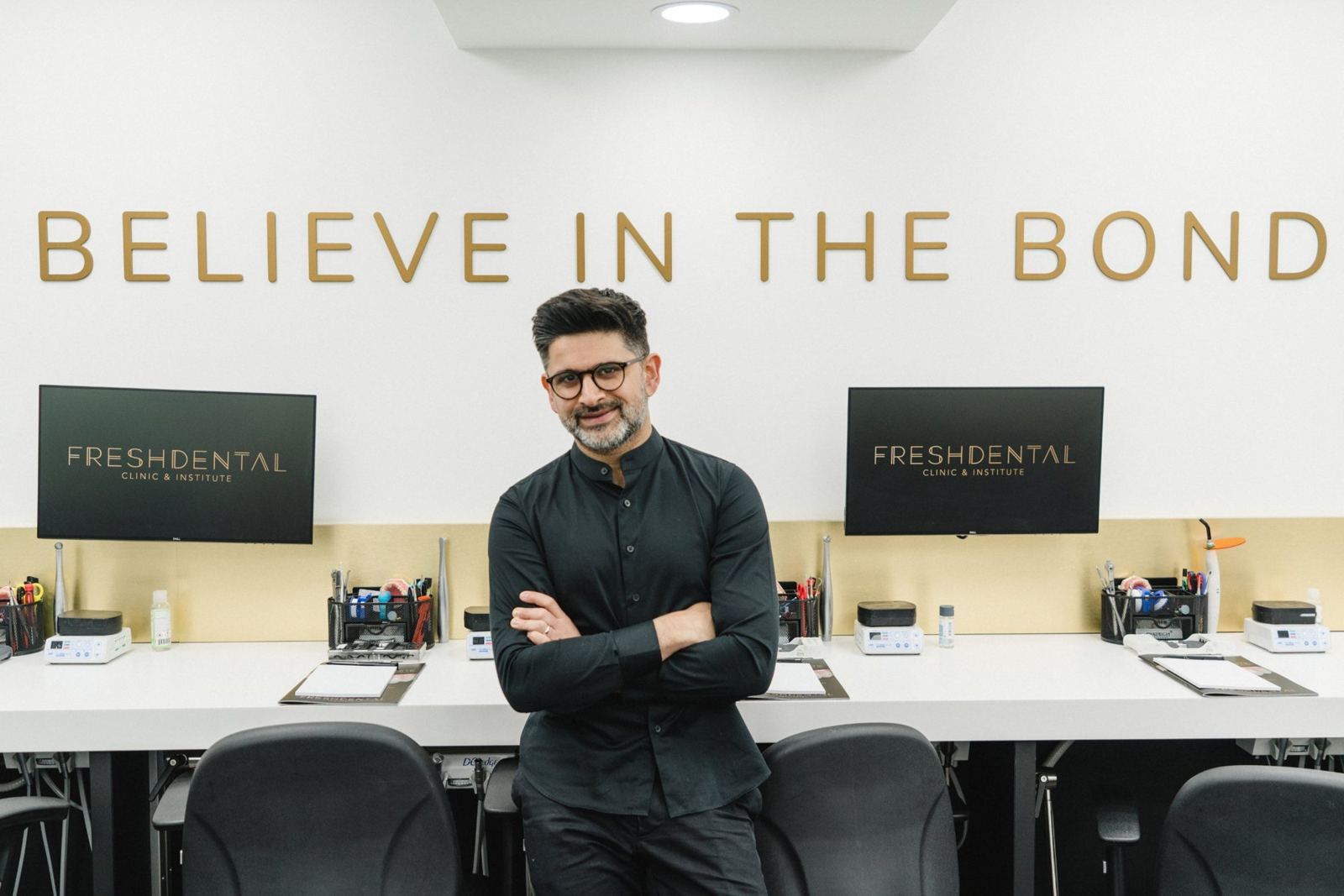
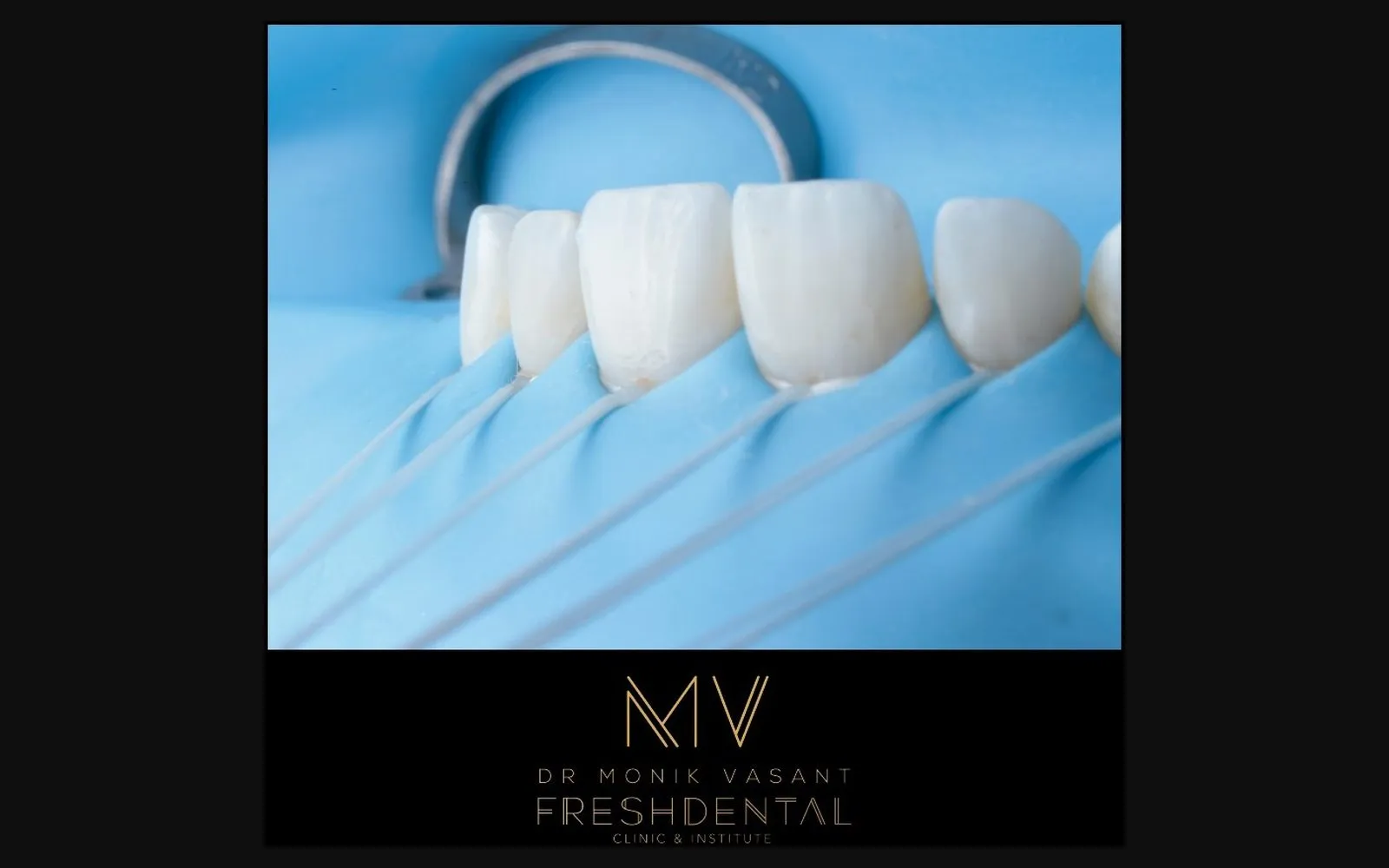


A composite bonding course is one of the most useful things you can invest in after qualifying, but prices vary widely and it is not always clear what you are paying for. This guide explains what drives the cost of a composite course, the costs that are easy to forget, and how to work out whether a course will pay for itself.
What affects the price of a composite course?
Format and length
Online lectures cost the least, one-day courses sit in the middle, and two-day and longer hands-on courses cost more. The price difference usually reflects how much time you spend with your hands on the material and how much individual feedback you get.
Hands-on time and feedback
Composite is a practical skill. The most valuable part of any course is the time you spend layering restorations yourself while experienced clinicians correct your technique. Courses with more faculty in the room cost more to run, and they are usually worth it.
Materials and equipment
Good courses let you work with composites, bonding systems, matrices and polishing kits from several manufacturers, so you can choose what suits you. Check whether these are included in the fee or whether you are expected to bring your own.
Who is teaching
You are paying for experience. Ask whether the people teaching you use these techniques with their own patients every week, and how long they have been teaching.
CPD and support afterwards
Check how many hours of verifiable CPD the course gives you and whether there is any support or community once the course has finished.
What should be included in the fee?
- All teaching, with a clear timetable for each day
- The materials and equipment you need for the hands-on sessions
- Course notes or a handbook to take away
- Lunch and refreshments on course days
- A CPD certificate showing your verifiable hours and learning outcomes
The costs that are easy to forget
- Time away from practice. For many dentists this is the biggest cost of all, so factor in the surgery days you will lose.
- Travel and accommodation. A course closer to home can cost less overall, even if the fee is a little higher.
- VAT. Check whether the advertised price includes VAT, so you are comparing like with like.
- Kit for your own surgery. You may want to buy instruments or materials to use what you have learned straight away.
- Booking terms. Read the cancellation and transfer policy before you book, in case your plans change.
How to work out whether a course will pay for itself
Add up the total cost: the course fee, travel, accommodation and the surgery time you will lose. Then ask how many extra composite cases you would need to do to cover it.
As a simple illustration, if your total cost came to £3,000 and you charge £250 a tooth for composite bonding, about twelve teeth would cover it. Use your own fees and costs, but most dentists find the sums are less daunting than they expect.
The bigger return often comes from your everyday dentistry. A clear, efficient protocol for isolation, contacts and finishing can save time on every posterior composite you place, and that adds up over a working year.
Why the cheapest course is not always the cheapest
A course that looks good value but does not change what you do on Monday morning has cost you money and a day away from practice. Equally, a technique that produces a beautiful result but takes three hours per tooth is hard to offer at a fee patients will accept.
Look for a course that teaches efficient techniques you can complete in a realistic appointment time. That way your composite dentistry is good for your patients and financially viable for you and your practice.
Questions to ask before you book
- Does the price include VAT?
- What exactly is included: materials, course notes, lunch?
- How much of the course is hands-on?
- How many hours of verifiable CPD will I receive?
- Do the teachers use these techniques with their own patients?
- What happens if I need to change my date?
- Is there any support after the course?
What Totally Composite costs
Totally Composite is our two-day, hands-on composite course, taught by Dr Monik Vasant. Over ten years it has run 280 times in 14 countries and trained more than 6,200 clinicians.
- London: £1,795 including VAT (£1,495.83 + VAT)
- Outside London (Manchester, Edinburgh and Ibiza): £1,895 including VAT (£1,579.17 + VAT)
The fee includes 14 hours of verifiable CPD, lunch and refreshments on both days, and course materials. You also try materials from several manufacturers during the hands-on sessions. Please read our course cancellation policy before booking.
See all course dates or find out more about our composite bonding course.
Discover Our Dental Courses Today
Expand your dental knowledge with our professional development courses.
Discover Our Latest Blogs
Stay informed with our latest blog posts
Composite veneers vs porcelain veneers: a guide for dentists

Level 7 diploma or MSc in aesthetic dentistry: which is right for you?
How to choose a composite bonding course: a guide for UK dentists


Sign Up to Receive Your Free Course Catalog

